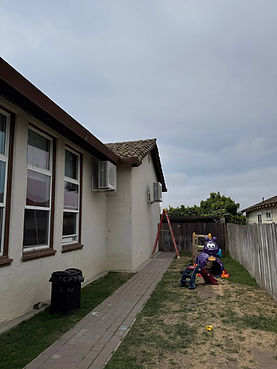
Professional AC Installation in Monterey County
A dependable air conditioning system is key to keeping your home cool and comfortable during the warmer months. At Associated Services, we provide professional AC installation services throughout Monterey County, helping homeowners choose the right system for their space, comfort goals, and budget. Whether you’re replacing an outdated unit or installing a brand-new system, our experienced team will make the process simple, efficient, and stress-free.
Signs It's Time to Replace Your Air Conditioner
Not sure if it’s time to replace your air conditioner? There are a few common signs homeowners should watch for:
Your current system is more than 10-15 years old.
Repairs are becoming frequent and costly.
The system struggles to cool your home evenly and your energy bills are steadily increasing.
Older systems that use outdated refrigerants like R-22 can become more expensive and difficult to maintain over time.
The Associated Services AC Installation Process
At Associated Services, we make installing your new air conditioner simple, straightforward, and stress-free. From helping you choose the right system to completing the installation and supporting you afterward, our team is here to make the entire process smooth and comfortable from start to finish.
Free Consultation and System Selection
Every installation begins with a detailed consultation so we can better understand your home, comfort goals, and cooling needs. The team at Associated Services will evaluate your home’s size and layout, discuss energy-efficient options that fit your budget, and provide a clear, no-obligation estimate so you can move forward with confidence.
Professional Installation
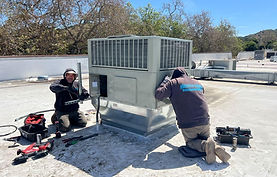
Our experienced technicians handle every step of the installation process with precision and care. Associated Services can remove and dispose of your old unit if needed, install your new system properly, and thoroughly test and fine-tune everything to ensure reliable performance and long-term comfort.
Options to Cool Your Home
Choosing the right cooling system for your home depends on your comfort goals, energy preferences, home layout, and budget. Some systems cool and heat the entire home through ductwork, while others are designed for individual rooms or specific situations. Understanding the differences can help you make a more confident decision about what will work best for your home.
Conventional Gas/Electric System
A conventional gas/electric system is one of the most common comfort systems found in homes. It uses an outdoor air conditioner condenser to provide cooling and an indoor furnace to move air through the ductwork. During the cooling season, the outdoor unit removes heat from your home while the furnace blower pushes cooled air through your vents. During the heating season, the furnace creates heat using natural gas or liquid propane, and the same duct system distributes that warm air throughout the home.
This type of system is often a strong choice for homeowners who already have existing ductwork and access to gas or propane. It can provide powerful, reliable heating and cooling for the whole home. The main difference between this and other options is that cooling is handled by the outdoor AC unit, while heating is produced by the furnace indoors.
Another important difference homeowners often notice is how the heat feels. Gas heat usually feels warmer and stronger coming out of the vents, because the furnace produces higher air temperatures. Many homeowners describe it as a more immediate, toasty kind of heat.
Heat Pump System
A heat pump system can provide both cooling and heating using the outdoor unit. In cooling mode, it works very much like a traditional air conditioner by removing heat from inside the home. In heating mode, it reverses operation and pulls heat from the outdoor air to warm the home. Instead of a gas furnace, a heat pump system is commonly paired with an indoor air handler, which moves air through the ductwork.
For homeowners, the biggest difference is that a heat pump does not rely on natural gas or propane to create heat. It uses electricity to both heat and cool the home. This can make it an attractive option for households looking for an all-electric comfort system. In some homes, a heat pump may also be paired with backup or auxiliary heat for colder conditions.
Heat pump heat also tends to feel different than gas heat. The air coming from the vents is usually not as hot as furnace heat, even though it is still warming the home. Many homeowners describe heat pump heat as softer, gentler, and more even, while gas heat often feels hotter and more noticeable. Neither is necessarily better for everyone—it usually comes down to personal comfort preference.
Dual Fuel System
A dual fuel system combines the best features of a heat pump and a gas furnace into one system. During milder weather, the heat pump can handle the heating efficiently using electricity. When outdoor temperatures drop and more powerful heat is needed, the system can switch over to the gas furnace for stronger indoor warmth. In cooling mode, the heat pump works just like a standard air conditioner.
This setup gives homeowners more flexibility because it can use electric heat from the heat pump or gas heat from the furnace, depending on outdoor conditions, system settings, and comfort preferences. For some homeowners, that means taking advantage of the energy-saving benefits of a heat pump while still having the warmer feel of furnace heat available when desired.
A dual fuel system is a great option for homeowners who want the efficiency of a heat pump without giving up the comfort and performance of gas heating. It can be especially appealing for families who like the idea of having more than one heating method built into the same system.
Mini Split System
A mini split system, also called a ductless mini split, provides heating and cooling without using traditional ductwork. It includes an outdoor unit connected to one or more indoor wall-mounted, ceiling-mounted, or floor-mounted units. Each indoor unit conditions the space where it is installed, allowing for more targeted comfort control.
Mini splits are especially useful for homes without ductwork, room additions, garages, offices, or areas of the home that are difficult to keep comfortable. One of the biggest differences between a mini split and a conventional central system is that mini splits typically cool and heat specific zones rather than pushing air through the entire house using one ducted system. They can also offer more individual temperature control from room to room.
QuietCool System
A QuietCool system is different from traditional air conditioning because it is designed to vent hot indoor air out of the home and bring cooler outside air in. These systems are often used during cooler mornings, evenings, or nights when the outdoor temperature is lower than the indoor temperature. Instead of refrigerant-based cooling like an AC or heat pump, QuietCool uses powerful fans and ventilation to improve comfort and reduce indoor heat buildup.
For homeowners, the main difference is that QuietCool does not cool the air the same way a conventional air conditioner does. It works best when outdoor conditions are favorable and can be a great way to cool the home naturally while reducing AC usage. Many homeowners use QuietCool as a complement to their main cooling system rather than a complete replacement for air conditioning.
Evaporative Cooling System
Evaporative cooling, sometimes called a swamp cooler, cools the air by pulling warm outdoor air through water-saturated pads. As the air passes through the pads, the evaporation process lowers the air temperature before it enters the home. These systems are typically most effective in hot, dry climates where humidity levels are low.
The major difference between evaporative cooling and traditional air conditioning is that evaporative coolers use water and airflow rather than refrigerant and a sealed cooling cycle. They also add moisture to the air, which can be beneficial in dry climates but less effective in areas with higher humidity. For the right environment, evaporative cooling can be an efficient and lower-cost way to improve indoor comfort.
System Comparison for Homeowners
Conventional Gas/Electric
Uses an outdoor AC unit for cooling
Uses an indoor furnace for airflow and heating
Heating comes from natural gas or propane
Heat usually feels hotter and stronger at the vents
Best for homes with ductwork and gas service
Heat Pump
Outdoor unit handles both cooling and heating
Usually paired with an indoor air handler
Runs on electricity
Heat often feels softer and more even
Good for homeowners wanting an all-electric system
Dual Fuel
Combines a heat pump with a gas furnace
Can switch between electric and gas heating
Offers more flexibility for comfort and efficiency
Gives homeowners the benefits of both systems
Great for those who want efficiency without giving up warmer furnace heat
Mini Split
No traditional ductwork required
Provides zoned heating and cooling
Great for additions, garages, offices, or homes without ducts
Allows room-by-room comfort control
QuietCool
Uses fans to bring in cooler outside air and remove indoor heat
Best during cooler outdoor temperatures
Works differently than refrigerated air conditioning
Often used alongside a main AC system
Evaporative Cooling
Uses water evaporation to cool incoming air
Best in hot, dry climates
Adds moisture to the air
Different from standard AC systems that use refrigerant
Why Now Is the Right Time for an AC Upgrade
Upgrading your AC system now helps ensure your home is ready before the next stretch of hot weather arrives. A new system can improve comfort right away while giving you the advantage of better energy efficiency, more dependable performance, and fewer concerns about unexpected breakdowns.
Energy Savings: Modern systems are designed to run more efficiently, which can help lower monthly utility costs
Better Comfort: Enjoy more consistent temperatures and improved comfort throughout your home.
Avoid Breakdowns: Replacing an aging system before it fails can help you avoid costly repairs and disruptions during peak summer heat.
Contact Associated Services for Expert AC Installation
If you’re ready to improve your home’s comfort, Associated Services is here to help. From choosing the right system to providing professional installation, our team will guide you through every step and make sure your home stays cool, efficient, and comfortable for years to come.
Proudly Serving Salinas and Surrounding Areas.